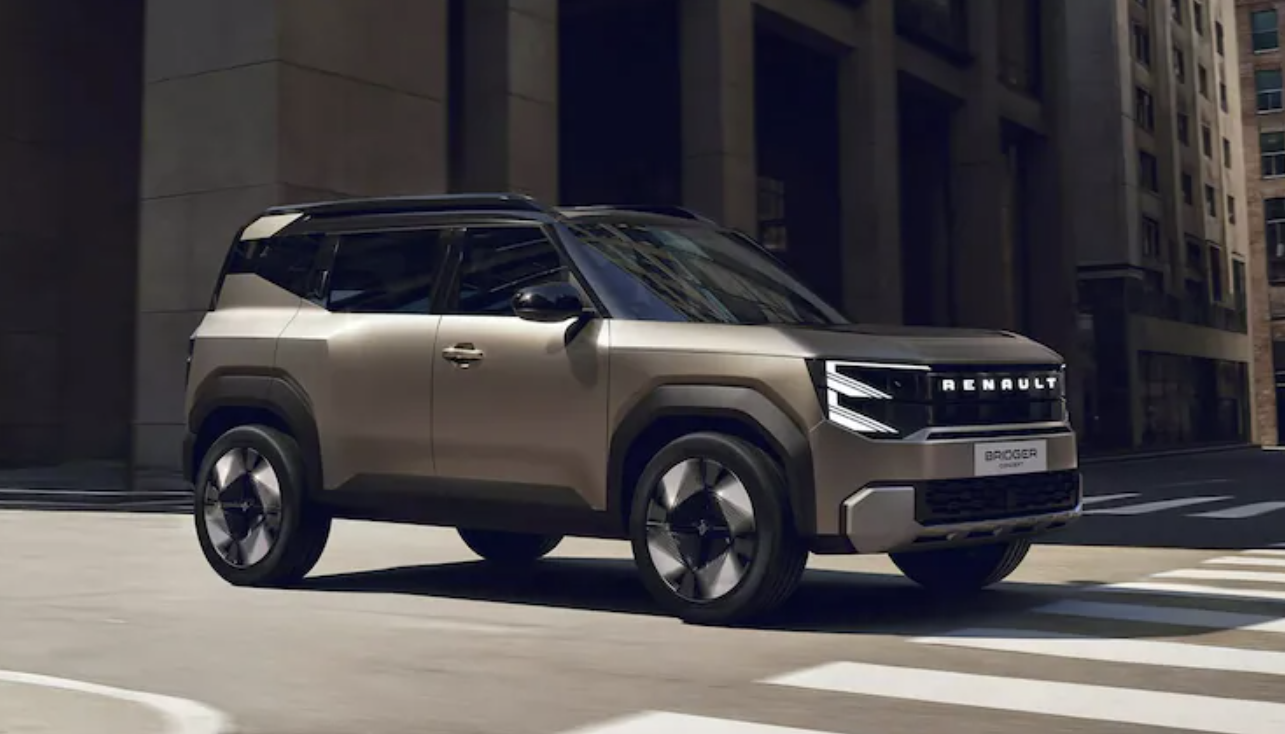
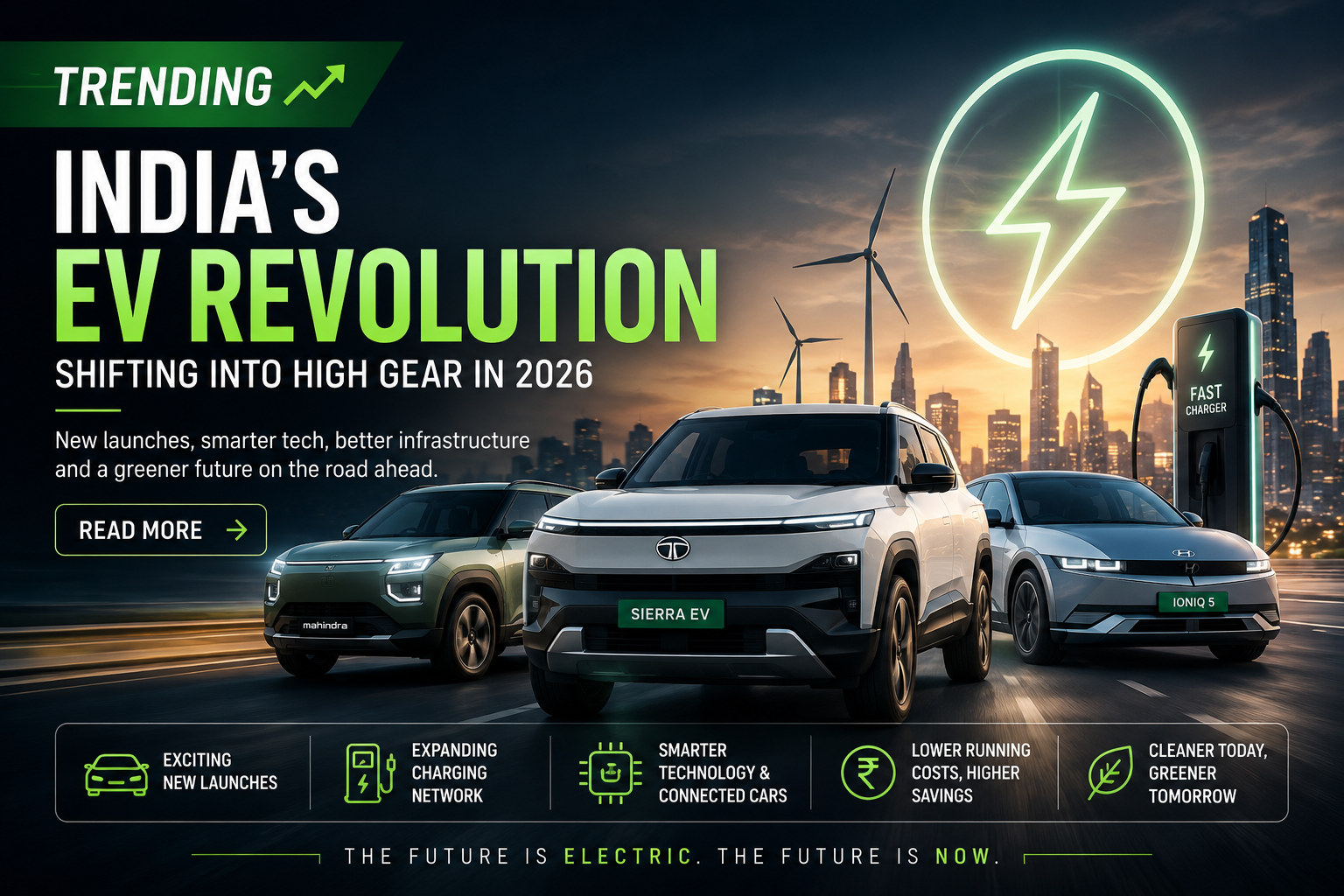
The India EV Revolution 2026 is transforming the country’s automotive landscape at an unprecedented pace. What was once considered a niche segment is rapidly becoming mainstream, with automakers, consumers, and policymakers collectively accelerating the adoption of electric mobility.
From futuristic electric SUVs to affordable urban commuters, EVs are dominating industry conversations. New product launches, growing investments, and rapid technological advancements indicate that India’s electric future is no longer a distant vision—it’s happening right now.
India EV Revolution 2026: New EV Launches Are Driving Growth
One of the biggest catalysts behind the India EV Revolution 2026 is the arrival of exciting new electric vehicles across multiple segments.
Manufacturers are expanding beyond compact electric hatchbacks and introducing premium SUVs, lifestyle vehicles, and technology-rich family cars. Upcoming models such as the Tata Sierra EV, Mahindra’s next-generation electric SUVs, and several international offerings are generating strong interest among buyers.
With more choices, improved performance, and better driving ranges, consumers are finding electric vehicles more appealing than ever before.
Charging Infrastructure Is Expanding Across India
Range anxiety has long been a challenge for EV adoption. However, India’s charging ecosystem is growing rapidly, helping consumers gain confidence in electric mobility.
Fast-charging stations are becoming increasingly available across cities, highways, commercial complexes, and residential communities. Improved accessibility and faster charging times are making EV ownership more practical for daily users and long-distance travelers alike.
As infrastructure continues to expand, the transition to electric mobility is becoming significantly easier for Indian consumers.
Smart Technology Is Reshaping Electric Vehicles
Today’s EVs are more than just environmentally friendly vehicles—they are connected technology platforms on wheels.
Modern electric cars now offer advanced features such as connected car technology, over-the-air software updates, AI-powered voice assistants, digital cockpits, smartphone connectivity, and advanced driver assistance systems.
These innovations are particularly attractive to younger buyers who prioritize technology, convenience, and digital integration when choosing their next vehicle.
Consumers Are Looking at Long-Term Value
Increasing fuel costs and rising environmental awareness are encouraging buyers to evaluate the long-term benefits of EV ownership.
Lower running costs, reduced maintenance expenses, government incentives, and advancements in battery technology are helping electric vehicles become a financially viable option for many Indian households.
Consumers are increasingly viewing EVs as smart investments rather than experimental alternatives.
Automakers Are Investing Heavily in Electrification
The competition within India’s EV market is intensifying as manufacturers accelerate investments in battery development, software integration, research, and localized production.
This growing competition is creating better products, improved technology, and greater value for consumers. As more automakers enter the segment, innovation is expected to increase even further.
Trending Verdict
The India EV Revolution 2026 marks one of the most significant transformations in the country’s automotive history. Electric vehicles are no longer niche products; they are becoming a central pillar of India’s mobility ecosystem.
With exciting new launches, expanding charging infrastructure, advanced technology, and growing consumer acceptance, 2026 could become a defining year for electric mobility in India.
For automotive enthusiasts, buyers, and industry stakeholders, the future has never looked more electric.